Showing posts with label Kumpulan Diet. Show all posts

Sunday, 19 March 2017

Stone Soup Vlog: Jackfruit Larb

Jackfruit Larb


Ingredients
  • 2 tablespoons thinly sliced red shallot
  • 1 thinly sliced scallion (white and green parts)
  • ½ cup thinly sliced mint leaves
  • ½ cup cilantro, roughly chopped
  • 1 clove minced garlic
  • 1 teaspoon soy sauce 
  • 1 tablespoon of lime juice
  • 1 teaspoon sugar
  • 10 ounces shredded jackfruit (about 2 ½ cups)  
  • 1 teaspoon olive oil
  • ¼ teaspoon red chili flakes
  • ¼ teaspoon kosher salt
  • 4 leaves butter lettuce 
Instructions
  1. In a medium bowl, combine shallot, scallion, mint, cilantro, garlic, soy sauce, lime juice and sugar. This will be your dressing
  2. Open the jackfruit, or purchased pre-quartered, and pull it apart into shreds. Discard hard and fibrous pieces.  
  3. Heat olive oil in small skillet over medium-high heat. Once hot, add jackfruit, red chili flakes and a pinch of salt. Sauté for about 1 minute, until mixture is heated through. 
  4. Transfer jackfruit to dressing and toss. Arrange butter lettuce leaves on a serving plate and mound dressed jackfruit on top. Garnish with mint leaves.

Tuesday, 31 January 2017

Roasted Turmeric Black Pepper Fingerling Potatoes

 I always try to keep a jar of the dried Indian spice on hand for homemade curry dishes. And though I was familiar with dried turmeric, I had never actually cooked with the fresh root until I tried these roasted fingerling potatoes.  

Fresh turmeric root carries a bolder flavor than the dried powder, and black pepper is the perfect complement to give this dish even more punch. With these flavors, along with an array of health benefits, it’s no wonder the people of India have been adding turmeric and black pepper to curry blends for ages. The combination is surprisingly versatile and goes well with nearly any roasted vegetable

ou can find fresh turmeric root in the produce section, often near the ginger. It looks a lot like ginger, too, until you cut it open to find its vibrant orange flesh. After making these potatoes, try steeping what’s left of the root in a pot of hot water for a spicy and delicious homemade tea that’s perfect for winter.

Roasted Turmeric Black Pepper Fingerling Potatoes

Serves 4

Ingredients

1½ pounds fingerling potatoes, halved lengthwise (about 4 cups)
2 tablespoons grapeseed oil
1 tablespoon fresh grated turmeric root, or substitute with 1 teaspoon ground turmeric
3 cloves minced or pressed garlic
2 teaspoons ground coriander
1 teaspoon cracked black pepper
1 teaspoon apple cider vinegar
Salt to taste
Directions

Preheat oven to 425°F.
Combine ingredients in a large bowl and stir. Spread potatoes, flat side down, onto a baking sheet.
Roast until tender and golden, about 20 minutes

Saturday, 17 December 2016

Intermittent Fasting: Is It Right for You?


For years, we have been bombarded with messages telling us that breakfast is the "most important meal of the day" and that eating every three hours will "speed up your metabolism." If that's true, then fasting and skipping meals must wreak havoc on your metabolism and cause weight gain, right? Maybe not.
Recently, intermittent fasting has gained popularity as new research studies and diet trends emerge. Fasting has been practiced for centuries (usually for religious regions), but is there a benefit to intermittent fasting and time-restricted feeding (that is, consuming energy intake within a specific time window each day)? The short answer: probably.
Keep in mind there are currently only two trials in human beings that look at time-restricted feeding interventions, so more research is warranted. With that said, the results are promising. Both of the trials found significant reduction in weight from this type of eating pattern, while one study even saw reductions in fasting blood glucose and improvements in LDL and HDL cholesterol levels.
Key takeaways from three pieces of research include:
  • The fasting occurred daily for at least 11 hours between 7 p.m. and 6 a.m. in one study and was given as one meal (with comparison group eating three square meals) in another study. So, although recent diet trends recommend a 16-hour fast with eight hours of eating, there are still inadequate data to determine the ideal fasting period.
  • Research in animals suggests that intermittent fasting not only can reduce obesity but also can reduce chronic diseases such as diabetes and cancer, and conditions such as nonalcoholic fatty liver disease.
  • Opponents of intermittent fasting state that periods of fasting lead to periods of overeating. However, this is not clear and has not been proven. 
  • Data are lacking regarding the effects of intermittent fasting on other health behaviors such as diet quality, sleep and physical activity — all important factors in overall health.

Should You Try Intermittent Fasting?

While this summary discusses intermittent fasting as a promising approach for weight loss and metabolic health, as a registered dietitian nutritionist, I would not recommend it to everyone. People who are underweight, have a history of eating disorders, people with diabetes or problems with blood sugar control, people with any medical condition and people taking medications should never fast without consulting with a doctor first.
Also, currently, intermittent fasting does seem to be more of a trend than a sustainable way of eating. And the best eating pattern will always be one that you can create a lifestyle around and that you enjoy. If you're reading this information and aren't sure how this fits into your lifestyle, work with an RDN to create a successful nutrition plan tailored to you.

Tuesday, 13 December 2016

Slow Cooker Greek Shrimp and Rice

Greek flavors are so fresh and tasty, and using the slow cooker is so easy! If you've never cooked seafood in the slow cooker before, this recipe is a great introduction. I used smaller, frozen raw shrimp in my dish, but you can substitute large or jumbo shrimp — whichever you prefer.

Slow Cooker Greek Shrimp and Rice 

Recipe by Kitty Broihier, MS, RD, LD
Ingredients
  • 1 8-ounce bottle clam juice or fish stock
  • 1 tablespoon olive oil
  • 1 tablespoon freshly squeezed lemon juice
  • 2 cloves garlic, minced
  • 1½ teaspoons dried oregano
  • ½ teaspoon kosher salt
  • ¼ teaspoon ground black pepper
  • 1½ pounds raw shrimp, peeled, deveined and tails removed
  • 2 cups cooked white or brown rice
  • 2 cups baby spinach
  • ½ cup feta
  • ¼ cup Kalamata olives, pitted and sliced
  • 2 tablespoons fresh Italian parsley, chopped
Directions
  1. Stir together clam juice or fish stock, olive oil, lemon juice, garlic, oregano, salt and pepper in slow cooker crock.
  2. Add shrimp and stir to coat with liquid.
  3. Cover and cook 1½ hours on low heat setting.
  4. Stir in cooked rice, cover and cook an additional 1 hour on low heat setting.
  5. Stir in spinach, feta and olives. Spoon into 4 bowls and garnish with parsley. Serves 4.

Monday, 12 December 2016

How to Build a Charcuterie Plate on a Budget


On a summer day spent hanging out at the beach, exploring nature or playing in the park, the last thing I want to do is turn on the oven to roast a chicken. Instead, I'm hoping for a quick and light dinner — no cooking required — that will get me right back outside to enjoy the last hours of a long summer evening. At times like these, my go-to is a charcuterie plate: fancy cheeses, thinly sliced meats and special accompaniments.
I first experienced the wonders of charcuterie at a hip restaurant in Boston's Back Bay, but it was too expensive to keep going back, so I decided to make one myself.

Assemble Cheeses and Meat

While the individual items on a charcuterie plate can get pricey, there are easy ways to cut down on the cost. For instance, you only need two or three slices of cured meat per person. If you're only feeding two people, it may be cheaper and more delicious to buy a small amount of the fancy stuff at the deli counter than choosing more of a pre-packaged variety.
When it comes to selecting cheeses, I like to choose a trio: one hard (such as cheddar), one soft (such as goat cheese) and one somewhere in between (such as blue cheese or brie). If you're looking for advice, ask for help. When I'm at a more upscale grocery store or farmers market, I like to strike up a conversation with the cheese monger. These people truly know and love what they are doing, and they usually are happy to slice off a small taste so you do not have to purchase a large, expensive chunk of cheese. My other strategy is to rummage through the "scrap" cheese bin; there you can find small pieces of high-priced cheese for under $2!

Add "Snackables"

Because cheese and cured meats are high in saturated fat and sodium, I like to add balance to the plate with healthier sides, such as:
  • Whole-wheat baguette slices (for fiber)
  • Unsalted nuts (for extra protein and unsaturated fats)
  • Olives (high in sodium, but also high in healthy fats)
  • No-sugar-added preserves or honey
  • Dried fruits
  • Hummus

Don't Forget Produce

Make sure there's plenty of bite-sized fruits and veggies on the plate, too. Half of every meal — even a charcuterie plate — should consist of these foods. My favorites include:
  • Strawberries or other berries
  • Cherries
  • Sliced starfruit
  • Citrus segments
  • Sliced apples, pears or peaches
  • Figs
  • Grapes
  • Cherry tomatoes
  • Chilled roasted vegetables
  • Canned artichoke hearts, drained
  • Fresh herbs
It may seem fancy, but charcuterie plates are completely adaptable — pick and choose to please your taste buds and budget. Plus, you can avoid dirtying your pots and pans. All you need is a large cutting board, a knife or two, some toothpicks and some napkins. Lay everything out on the cutting board and dinner is served!

My Family's Favorite Vegan Chocolate Mousse

This simple, no-cook, vegan dessert recipe can be whipped up in a matter of minutes and will satisfy even the most discerning sweet tooth. It was the go-to snack for my children when they were young, and it remains a family favorite today.

Info for Chocolate Lovers

Cocoa powder is made by removing the fat (cocoa butter) from bitter chocolate and powdering the remaining material. Using cocoa powder is a great way to get the benefits of cocoa flavonoids (a class of phytochemicals that may have a role in lowering blood pressure) without the saturated fat calories from cocoa butter.

Velvety Vegan Chocolate Tofu Mousse 

Recipe by Layne Lieberman, MS, RD, CDN
Ingredients
  • 1 banana, broken into chunks
  • 12 ounces firm tofu, silken preferred
  • ¼ cup pure maple syrup
  • 2 tablespoons blackstrap molasses
  • 5 tablespoons unsweetened cocoa powder
  • 3 tablespoons soymilk
  • ¼ teaspoon ground cinnamon
Directions
  1. In a blender, combine all ingredients, cover and puree until smooth.
  2. Pour into individual ramekins and refrigerate for at least one hour before serving. Serves 4.

Wednesday, 7 December 2016

Sodium and High Blood Pressure — 5 Tips to Take Control

Sodium — that is, salt — is the food industry's dirty little secret for taste enhancement and cost savings in the production of food. If you deconstructed a corn chip or cheese doodle, you'd realize these snacks are essentially puffs of air coated in salt and processed flavor powder. Yuck!
But put these salty snack foods in a package of screaming rainbow colors and advertise them with a funny commercial and, well, we seem to not be able to resist.
Snacks aren't the only place where excessive sodium lurks. Restaurants rely on it, too. Spices, rubs, marinades and those cute little dribbles of sauce on the plate are where most of the sodium is hidden in the world of fine dining, while fast staples such as burgers and fries are often loaded with sodium. The reason is simple: sodium adds flavor and can mask lesser quality ingredients.

5 Ways to Fight Back Against Sodium and High Blood Pressure 

  1. If you are healthy and have no family history of high blood pressure and cardiovascular disease, the 2015-2020 Dietary Guidelines for Americans recommends consuming no more than the 2,300 milligrams of sodium per day. However, if you are in certain risk categories — if you have a family history of high blood pressure or cardiovascular disease; if you are African American; if you are 51 years old or over; if you have diabetes or chronic kidney disease — the American Heart Association recommends your daily sodium intake be 1,500 milligrams per day.
  2. Know your personal health history, particularly your blood pressure and weight, and consult with your doctor about what to do next. Many physicians recommend the DASH diet, which follows a high-fiber and low-fat diet rich in fruits and vegetables, whole grains, lean meats and poultry and beans.
  3. Find flavor from places other than sodium. For instance, use roasted garlic, caramelized onions and fresh or dried herbs rather than salt
  4. Keep a food record so that when you make a change you can see your progress in writing.
  5. Don't forget to exercise at least 150 minutes per week … better yet, make it one hour a day. Exercise will help keep your blood pressure normal — and also help keep your body strong and fit, your mind clear, your kidneys working right and your weight down.

Monday, 5 December 2016

Wild Honeysuckle Simple Syrup


Honeysuckle Foraging Safety Notes
If you go off foraging for honeysuckle, there are some very important things to note.​
  1. Honeysuckle berries are poisonous.
  2. Not all varieties of honeysuckle are edible. Be sure to check with a local botanist or foraging expert before proceeding.
Add honeysuckle syrup to coffee, tea or a cocktail of vodka and seltzer! Or, add a teaspoon into a homemade dressing as a thickener and sweetener.


Honeysuckle Simple Syrup Tweet this

Recipe by Carlene Thomas, RDN, LD
Ingredients
  • 1 cup honeysuckle flowers
  • ¾ cup sugar
  • ¾ cup water
Directions
  1. Strip the vines off the honeysuckle flowers and rinse the flowers.
  2. Add sugar and water to a small pot on the stove. Bring to a simmer until sugar dissolves. Add honeysuckle flowers and remove from heat. Steep for 30 minutes. Strain and bottle. Store in the refrigerator.

Diagnosed with High Triglycerides? Why Fish and Supplements Need to Be Part of Your Diet


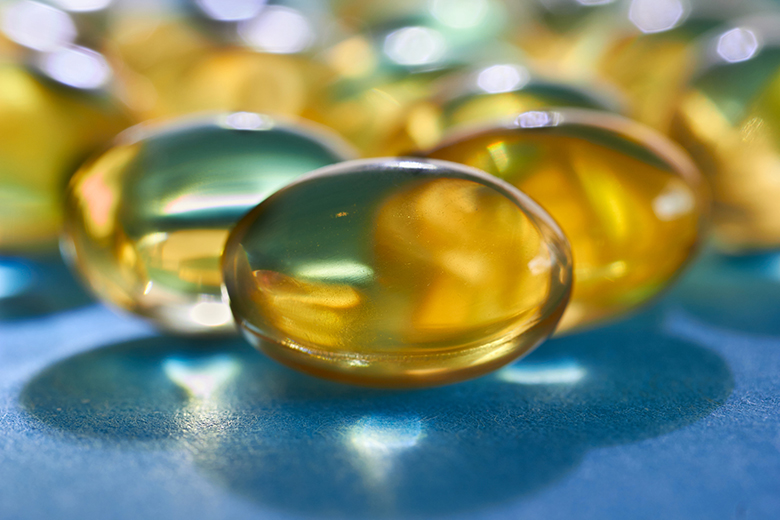
If at your most recent physical exam, your doctor told you your triglycerides were too high, consider eating more fish or taking a fish oil supplement. Why? Consuming the omega-3 fatty acids DHA and EPA — a group of fatty acids that human bodies don't produce on their own — has been shown to lower triglycerides … not to mention promote heart health, reduce mental decline with aging and reduce overall mortality.
But before we move on, let's take a step back to really understand what "high triglycerides" means. Tweet this Triglycerides are a type of fat found in blood. When we eat, our bodies convert unused calories into excess triglycerides, which are stored in our fat cells. Later, hormones release triglycerides for energy between meals. When more calories are eaten than burned — particularly carbohydrates and fats — this can increase our triglycerides. So if you're not expending enough energy, your fat stores, essentially, build up.
High levels of triglycerides in the bloodstream have been linked to atherosclerosis (when plaque builds up inside arteries) and heart disease. The same habits that promote overall health — such as maintaining a healthy weight, avoiding solid fats and added sugars, limiting alcohol consumption and exercising — also work to keep triglycerides within a normal range.
Now back to the recommendations. Because our bodies don't naturally produce DHA and EPA, it's essential to make sure you're getting enough. You can get meet your recommended DHA and EPA intake from eating a variety of fish (salmon and tuna contain the highest amounts) at least two times a week; and from foods that contain the omega-3 fatty acid ALA, which can be converted into DHA and EPA by the body, such as walnuts, chia seeds and flax seeds. Or, consider taking a fish or algae oil supplement. They are reliable sources of DHA and EPA, especially if you're worried about getting enough from diet alone. However, before deciding on a supplement, consult with your doctor or registered dietitian nutritionist.

Monday, 31 October 2016

How You Can Build a Smart Snack Schedule


Snacking can support a day of healthful eating — or it can sabotage it!
Research suggests that Americans are snacking more than ever, with a recent study indicating that 27 percent of children's total intake for a day comes from snacks. And, according to NHANES data, adults consume an average of 400 to 600 calories a day from snacks.
Given these data, it is important to understand the basics of building healthy snacks that support physical, mental and emotional health. In the video blog below, I provide practical tips about snacking smarts.
 What tips do you share with clients or use yourself when it comes to snacking? Share your ideas in the comments section.

Grumpy on a Sunshiny Day? It Could Be Dehydration

Summer is in full swing. Sunshine and warm weather should put a smile on your face and make you happy. Well, it does not work for everyone. As temperatures rise, many people are at greater risk of becoming dehydrated, which not only affects their physical wellbeing but also their mood.

new study, published in the Journal of Nutrition, found that feeling unsettled, fatigued or unable to focus may be caused by lack of fluids in the body. Even when only mildly dehydrated, study participants experienced headaches, feelings of exhaustion, and inability to concentrate. They also felt irritable and less sociable. Although only women were enrolled in this particular research, experts say there is no reason to assume the findings were not applicable to men.
Dehydration often takes place insidiously, meaning most people don’t even feel thirsty when the effects set in. But if lost fluids are not replenished in a timely manner, it can get progressively worse to the point where dehydration can lead to lasting damage, especially to the kidneys.
The fact is that the body cannot function properly without enough fluids. Those are needed to keep its temperature normal, to lubricate and cushion joints, to protect the spinal cord and other sensitive tissues, and to enable waste removal through urination, perspiration and bowl movements.
Symptoms of mild to moderate dehydration include dry mouth, thirst, decreased output of urine, constipation, dry skin, and sleepiness, dizziness and lightheadedness. Severe dehydration has many of the same symptoms but to a much higher degree. Additionally, there can be disorientation, rapid heartbeat, hyperventilation, fever, diarrhea, vomiting and, in extreme cases, loss of consciousness.
The risk of dehydration is not the same for everyone. Children and the elderly are especially vulnerable, and so are people with chronic illnesses like kidney disease and heart health problems.
Those who work or exercise outside in warm or hot weather are strongly advised to closely monitor their hydration needs. The sensation of thirst is not always a reliable indicator. By the time someone gets thirsty, the dehydration process may have already advanced.
Water is the logical choice to rehydrate the body. Adding fruit juice for quicker absorption or a sports drink like Gatorade to boost electrolytes can provide additional benefits. It is important, however, to limit sugar intake when using such beverages, most simply by diluting them with water.

A Family Tradition: Apple and Pumpkin Picking


Apple Picking
Deciding which apples to pick becomes a task on its own. First, find out which apples are ready to be picked then we locate them on the map. We also collect different varieties – locating those good for munching, baking pie, or making applesauce.  Once we make our plan of action, we split and conquer. My brothers, parents, sister, brother-in-law, and husband all end up running in different directions—it becomes utter madness!

My kids are so excited to pick the apples, collect them in their bushel bags and though my son won’t touch an apple at home—he’ll sink his teeth into as many varieties as possible when we’re at the orchard.

Veggie Time
Once the apples are collected, it’s time to move onto the vegetables. Yes, that's right. I found a local orchard that also allows us to pick apples and vegetables. It also has fun activities for kids like hay rides and a ridiculously huge corn maze. Not only does this make great memories in my kiddos, it also enables me to teach them the concept of farm-to-table.

Last year we collected one of the largest butternut squashes I’ve ever seen. This time around we picked string beans, a pretty large squash, eggplant, peppers, corn and tomatoes. I showed my kids what to look for in each of the veggies and we practiced picking them together. I also explained to them some basic facts about the foods we picked, such as why some peppers are green and others are red. Then we discussed how we will cook them at home.

Pumpkin Patch
Last but not least, it was time to choose our pumpkins. We chose smaller pumpkins for the kids to color and decorate the kitchen. Then my kids searched for the perfect pumpkin to carve for Halloween. My husband (as he does every year, without fail) grunted about the weight of the pumpkin as we lugged it all the way to the car.

Family Tradition
This seven-year family tradition is one I am very proud of. Not only do my kids enjoy their time at the orchard, but they also learn to value the hard work it takes to harvest fruits and vegetables. I hope my kids will continue this tradition with their own families when they grow up.

Three Steps to Enjoy the Not-So-Exotic Papaya


Summer is finally here, and with it comes an abundance of seasonable fruits and vegetables. One fruit in particular, the papaya, sees its peak in early summer and fall. The papaya tree, native to South and Central America, is believed to have been first cultivated in Mexico. Despite its proximity to the United States, papayas are often labeled as “exotic” fruits, which may be intimidating to consumers. Don’t be fooled! Selecting, storing and eating papayas is just as simple as eating a banana or apple. Here are three easy steps to enjoying this delicious fruit:
1. Select: Papayas can be found year-round in North American grocery stores. For the best taste, choose papayas in the summer and early fall. When selecting papayas, think about when you plan on eating them. Papayas orange/red in color are reaching the peak of their ripeness and should be eaten the day of purchase. Yellow papayas are under-ripe, and can be eaten 2-3 days after purchase.
2. Store: Ripe papayas should be stored in a refrigerator and will remain fresh for up to one week. Yellow, under-ripe papayas can be stored at room temperature; this will speed up the ripening process. Keeping papayas in a paper bag (especially with bananas) will greatly increase the ripening process as well.
3. Eat and enjoy: Papayas are delicious on their own. Simply cut the papaya in half, remove the dark seeds (if a papaya is ripe, the seeds will come out easily with a spoon) and eat. Extremely ripe papayas can be cut or even spooned out of their skins. Sprinkling some lime or lemon juice on a fresh papaya will enhance its natural flavor. Papayas are also great to enjoy in smoothies, salads and entrees.
Papayas contain a large number of nutrients, including vitamins C and A, folate, magnesium, potassium and fiber. Papayas also contain papain, a digestive enzyme that can be used to tenderize meat. These nutrients give the papaya a multitude of health benefits such as the promotion of good cardiovascular, immune and digestive health.
Don’t be intimidated by the papaya — it may seem exotic but can become a staple in your kitchen. 

4 Ways to Enjoy Grilled Fruit


Grilled Strawberry Banana Dessert Pizza

Recipe by Tawnie Kroll, RDN
Ingredients
  • 1 16-ounce container strawberries, sliced
  • 2 bananas, sliced
  • ¼ cup rum
  • 2 tablespoons sugar
  • 8 ounces goat cheese
  • ¼ cup honey
  • 1 raw whole-grain pizza dough
  • Chocolate syrup
Directions
  1. Clean grill. Spray the grill liberally with cooking spray before turning the grill on. Heat grill to 500°F.
  2. In a large bowl, stir together strawberries and bananas with rum and sugar. Let rest for 15 minutes.
  3. Use a fork to combine goat cheese and honey until well-combined.
  4. Stretch whole-wheat dough. Spread goat cheese and honey mixture over the dough. Drain fruit and spread atop dough.
  5. Place the pizza on the grill and cook for 9 to 12 minutes, rotating the pizza every few minutes to make sure it does not stick.
  6. Remove from the grill and drizzle with chocolate syrup.

Baked Chicken Breasts with Spinach Pesto and Parmesan


Baked Chicken Breasts with Spinach Pesto and Parmesan

Recipe by Sara Haas, RDN, LDN
Ingredients
  • 6 ounces washed baby spinach (about 8 cups lightly packed)
  • ¼ cup lightly packed and washed, fresh basil leaves
  • 2-3 cloves roasted garlic
  • ¼ cup toasted pine nuts
  • ½ cup toasted pine nuts
  • ½ cup Parmesan cheese, divided
  • ¼ teaspoon Kosher salt
  • ¼ freshly ground black pepper
  • ¼ cup olive oil
  • 2 tablespoons water
  • 1-2 teaspoons fresh lemon zest
  • 4 boneless, skinless chicken breasts, about 4 ounces each
  • Kosher salt and black pepper, to taste
Directions
  1. Prepare an ice bath by filling a large bowl with ice and water.
  2. Set a large pot filled with water over high heat and bring to a boil; add salt (like you would for pasta). Drop the spinach and basil in the water and blanch for about 20 seconds. Carefully remove the spinach and basil and place directly into the ice bath to "shock" it (which halts the cooking process). Once cool to the touch, remove spinach and basil with a strainer or tongs to a towel or stack of paper towels. Wrap up the spinach/basil in the towel and squeeze over a sink to remove excess liquid.
  3. Place half of the spinach and basil in a blender or food processor. Add the garlic, half of the pine nuts and pulse a few times to combine. Add the remaining spinach and basil, the remaining pine nuts, 1/4 cup of the Parmesan cheese, 1/4 teaspoon salt and 1/4 teaspoon black pepper and pulse again. Scrape down the sides of the blender or food processor bowl. With the motor running, stream in the oil and then the water. Scrape down the sides again then continue to process until smooth. Remove from the blender or food processor and stir in the lemon zest.
  4. Preheat the oven to 350°F.
  5. Line a sheet pan with foil and coat with non-stick cooking spray.
  6. Place chicken breasts on the sheet pan and season lightly with salt and pepper. Spread 1 tablespoon of the pesto evenly over the top of each chicken breast then move the chicken to the oven and bake, uncovered, for 20 minutes. Remove chicken from the oven and top each chicken breast with 1 tablespoon shredded Parmesan cheese. Return the chicken to the oven and bake an additional 10 minutes or until chicken has reached an internal temperature of 165°F.
Cooking Note
  • This pesto recipe will make more than you will need. Freeze extra in ice cube trays for later use.

Lightening Up Your Holidays


Try one of my tips for lightening up your holidays:

Start the day out strong. Anticipation of food restriction only sets you up for disaster. So rather than skipping breakfast and lunch to “save up” for your holiday dinner, eat balanced meals and snacks throughout the day. Fill up on a nutritious breakfast that includes a serving of whole grains, protein and fruit or veggies to help quell hunger pangs later on. And before heading out to your dinner party, enjoy a healthy serving of a fiber-filled food, such as fresh fruit, nuts or vegetables with hummus dip. A growling stomach can derail your best healthy intentions.
More socializing, less talking. Remember, holiday parties are about good conversation, reuniting with friends and family, and sharing laughter and cheer — not just about camping at the food table where the calories are waiting. Although food can be a big part of the season, it doesn’t have to be the focus.
Give cheers for your good health! Skip the sugar-loaded cocktails or spiked eggnog, which can often rake in more calories than a piece of pumpkin pie. Instead, sip on water throughout the evening and enjoy a glass (one 5-oz. glass for women, and two for men) of red wine for a healthy plant-powered dose of polyphenols.
Keep it moving! This is not the time of year to put off exercise. And every little bit adds up. Try to squeeze in any additional activity throughout the day. Talk a walk with your family to look at Christmas lights, wrap gifts standing up, park your car at the end of the lot, take the stairs. You’ll gain more energy, improve your stress level, and also help burn off some of those extra holiday calories.
Set the example. Offer to bring a delicious, healthy dish to your next gathering. Bring a vegetable platter, homemade bruschetta, or your favorite seasonal salad (such as the one below) for a dish you can feel good about eating.

Beet and Pomegranate Seed Salad

Recipe by Sharon Palmer, RD
Makes 4 servings (about 9 cups)
My husband’s Swedish heritage has brought me an appreciation for beets, a somewhat undervalued vegetable that many chefs have rediscovered recently. This glistening ruby salad highlights beets and other winter plant foods. It’s certainly sophisticated enough for your holiday table and beyond. The compounds responsible for beets' deep red hue, called betalains, are anti-inflammatory, too.
Ingredients
• 4 cups packed mixed baby greens
• 2 cups packed assorted micro-greens
• 2 cups sliced baby beets, cooked and chilled
• 1 cup fresh pomegranate seeds
• 3 tablespoons coarsely chopped walnuts
• 1/4 cup freshly squeezed orange juice
• 1 tablespoon plus 1 teaspoon extra virgin olive oil
• 1/8 teaspoon ground black pepper
• 1 garlic clove, minced
Instructions
  1. Arrange the baby greens in a salad bowl or on a platter. Top with the micro-greens.
  2. Arrange the beets on top of the micro-greens and sprinkle with pomegranate seeds and walnuts.
  3. Whisk together the orange juice, olive oil, black pepper and garlic in a small bowl. Drizzle the vinaigrette over the salad and serve immediately.
Note: If you don’t have time to cook fresh beets for this recipe, use drained canned beets (preferably with no added salt) or refrigerated cooked beets, which are available in many supermarkets.
Nutrition Information per serving (about 2-1/4 cups): Calories 152; carbohydrate 18 g; fiber 3 g; protein 3 g; total fat 9 g; saturated fat 1 g; sodium 160 mg. Star nutrients: Vitamin A (31% DV), vitamin C (34% DV), manganese (16% DV).

3 Reasons I Don't Count Calories Anymore

Calorie Counting Led to Poor Choices

I would routinely opt for low-calorie foods and foods that had a nutrition label instead of nutrient-dense, filling foods. For example, I would be more likely to eat a packaged nutrition bar instead of making my own because I knew exactly how many calories I was consuming with the packaged variety. Or, I would eat powdered peanut butter instead of real peanut butter to "save" calories. Now, instead of thinking about calories, I look at food and think, "Will this fill me up?" and, "Will this make me feel good?" If it won't — even if it's "low-calorie" — I am unlikely to eat it.

I Got a Food Scale

With this purchase, I started to really understand portion sizes, instead of simply logging foods into a calorie-counter and thinking I was eating a set amount. This was huge "aha" moment for me. With a food scale, I realized I was overeating nut butters and undereating carbohydrate-rich foods. I would log "2 tablespoons of peanut butter" into my counter, when, in reality, I was eating closer to ¼ cup! I would log "½ cup quinoa," when, in reality, it was closer to ¼ cup. But my food scale changed that. Now that I know the truth about portion sizes and changed my mindset about "good" and "bad" foods, I've found that all foods can fit into my diet because I keep them in the correct portion.

Counting Calories Doesn't Really Work for Me

Do you truly think you use the same amount of energy and burn the same amount of calories every day? I don't. Instead, I may need more calories on some days and less on others, and having an app tell me how many calories I need just seems wrong.
Today, I truly don't care about the amount of calories in my meals. Instead, I care whether I am getting good sources of carbohydrate, protein and healthy fat. Not worrying about calories can be scary. Heck, I logged my nutrition intake for about four years before I stopped! What have I learned from not calorie counting? How to make all foods fit, how to listen to my body and how to understand nutrients instead of calories. And, you know what? I am never going back.

Finding Good Sources of Protein


Protein is one of my biggest focus points with clients, patients and family members. Are you getting enough protein? Do you think about where protein comes from? Are you getting way too much protein?
My husband and I had dinner once with a couple and the other couple's male counterpart discussed his diet regimen with us — it included an excessive amount of protein powder. The man was taking in well over 150 grams of protein a day. Unless you worry about the nutrition content of foods like I do, you may not realize that 150 grams is way too much. But that is what registered dietitians are for ... to help with a balanced and healthy meal plan. 

If you have ever tried the Atkins diet or modified South Beach diets or any other protein-only diet, you will find that the "science" behind these diets is based on ketosis. Ketosis is when your body increases the ketones in your blood, causing it to burn fat as the primary fuel. It does not mean that these diets are good because, frankly, they are not balanced and you miss out on other nutritionally dense foods. You will lose weight, but it is only a temporary Band-Aid when the focus should be a lifestyle change. 
What does all of this mean for unrefined living?
Here is the 411 — you need protein, and it should take up roughly 20 percent of your diet. Whether you are vegan, vegetarian or carnivore, protein is an important part of your diet and your family’s diet. 
Here are some recommended sources of protein for unrefined living:

Eggs: Poach, scramble, hard boil or fry in coconut oil. 
Lean cuts of beef: Loin and round are the leanest cuts of the cow. Consider switching to farm-raised and grass-fed, trying to steer clear of corn-fed.
Chicken: Without the skin. Consider also switching chicken to farm-raised and grass-fed. 
Pork: I'm not a big fan of pork, but if it is a must on your go-to list, think lean white meat. NOT BACON ... say no thanks to nitrates, salt and fillers.
Some other sources of protein include dairy products. I'll touch on these in later posts, but until then, consider buying only skim or low-fat dairy and organic dairy products (I know this can be expensive, but other than apples and a few other fruits and vegetables, the only organic products I recommend buying are organic dairy products). 
Beans: A great source of protein and, with hundreds of varieties to choose from, you should be able to find your favorites. 
Nuts and seeds: Also a good source of protein and especially easy to squeeze into snack time. 
Soy products: I'll explore soy products in a later post as well. In the meantime stick with edamame and soy milk. 
Fish: A great source of not only lean protein, but good fats. Bake, grill or broil it and stay away from farm-raised or fish imported from other countries. Canned tuna is OK as long as it's stored in spring water. 
Grains: Another source of protein that we'll explore in a later post, especially quinoa. 

Take some time to think about what you eat and where you get your protein from. It's easy to get it unrefined, which will make it healthier for you and your family. Stay tuned for more recipes and ways to eat unrefined! 

Chickpea Salad Sandwich with Sweet Apple Slaw


This sandwich is a vegetarian twist on two diner lunch classics: tuna salad and coleslaw. The chickpea salad doesn't contain any mayo, instead using a combo of mashed avocado and cottage cheese to give a delicious creaminess. Meanwhile, the sweet slaw counteracts the tang of the chickpea salad and adds a bit of a crunch. The beans, veggies, dairy, oils and fruits makes this sandwich packed with fiber, protein, antioxidants, vitamins, minerals and healthy fats — talk about a well-balanced lunch!


Chickpea Salad Sandwich with Sweet Apple Slaw Tweet this

Recipe by Natalie Rizzo, MS, RD
Ingredients
Chickpea Salad
  • 2 15-ounce cans chickpeas, drained
  • 1 teaspoon lemon zest
  • 1½ avocados, peeled and de-seeded
  • ½ cup cottage cheese
  • Juice of 1 lemon
  • 1 carrot, diced
  • ½ small white onion, diced
  • ½ teaspoon salt
Slaw
  • 1 cup sliced red and green cabbage
  • 1 red apple, grated
  • ½ cup canola or vegetable oil
  • 1 tablespoon red wine vinegar
  • 1 tablespoon Dijon mustard
  • 1 tablespoon honey
  • Salt and pepper, to taste
Sandwich Extras
  • Whole-wheat bread
  • Spinach or lettuce
Directions
  1. In a food processor, combine chickpeas and lemon zest. Process until mostly smooth, with small chunks.
  2. In a separate bowl, mash avocado with a fork. Add cottage cheese and lemon juice, and stir until combined. Add carrots, onions, salt and chickpea mixture to the bowl with the avocado mixture. Stir to combine.
  3. In a separate bowl, make slaw by combining cabbage and grated red apple. In a small bowl, make slaw dressing by whisking together oil, vinegar, mustard, honey and salt and pepper. Pour dressing over slaw and stir evenly to coat.
  4. Toast bread and assemble sandwiches by layering spinach or lettuce, chickpea salad and slaw. Makes 3 sandwiches.

Baked Sweet Potato Chips with Chipotle


“Sweet and spicy baked chips that are the perfect accompaniment to any sandwich, wrap or burger!”
Sweet potatoes have become America’s sweetheart. Maybe it’s their vibrant color or that simple touch of sweetness that makes people swoon. It certainly makes my heart soar to see people reaching for these fantastic root veggies at the grocery store. Secretly I hope that they are choosing them for their nutrition, but mostly, I’m just grateful they’re grabbing them at all. Inspired by our love-affair for sweet potatoes, I embarked on creating a simple side dish that packs both a flavorful and nutritious punch, Baked Sweet Potato Chips with Chipotle!
Making baked chips out of sweet potatoes may be slightly more difficult than using the fryer. I think with a few simple steps, the baked version is just as good. Slicing the potatoes thin, flipping halfway through cooking and rotating the pans in the oven all helps to evenly cook the potatoes, while preventing burning. Adding a layer of heat with the chipotle pepper balances the sweetness of the potatoes and makes them extra-satisfying.
Skip the bagged chips next time you’re at the store and grab some sweet potatoes from the produce aisle instead!
Food Safety Tip: Whether you use a food processor, mandolin or knife to slice these chips, be sure to clean the device well after using it. Use a stiff brush and plenty of hot, soapy water to clean nooks, crannies and crevices. Allow it to dry completely before storing it.

Baked Sweet Potato Chips with Chipotle

Recipe by Sara Haas, RDN, LDN
Ingredients
  • 1 pound sweet potatoes, washed, skins left on
  • 2 tablespoons olive oil
  • ¼ teaspoon black pepper, if desired
  • ¼ teaspoon Kosher salt
  • 1 1/2 teaspoon ground chipotle pepper
Directions
  1. Place oven racks in the middle and upper third of the oven and preheat to 375°F. Line two sheet pans with parchment paper.
  2. Slice potatoes into 1/8-inch rounds and place in a large mixing bowl. (Tip - If you have a food processor, use it to make uniform-size chips. A mandolin also works well to accomplish this. If you don't have either of those kitchen tools, have no fear, you can simply use a knife.)
  3. Toss the potatoes with olive oil. Add the salt, black pepper and chipotle and mix until potatoes are covered in spice.
  4. Spread potatoes in a single layer onto each sheet pan. Place in the oven and bake for 10 minutes. Remove pans from the oven and flip potatoes over.
  5. Rotate pans so that the pan that was on the middle rack is now on the top rack and vice versa.
  6. Cook another 10 minutes.Remove chips from the oven and serve immediately.